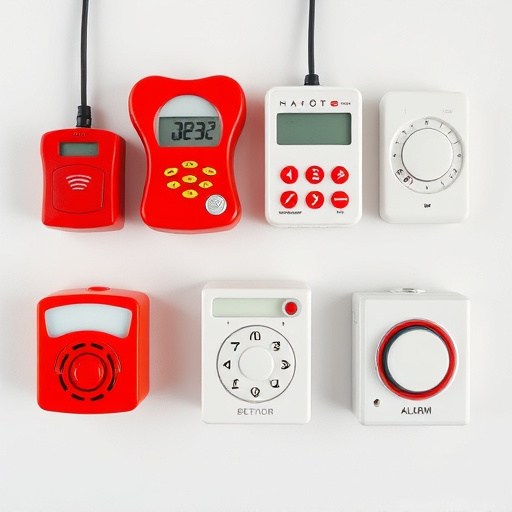
Maximizing Personal Alarm Range in Buildings: Safety Solutions
Personal alarms are powerful tools for individual security, emitting high-decibel sounds (120-140 dB.......
Read more →
In today's fast-paced world, ensuring personal safety within buildings has become a paramount concern for individuals, organizations, and governments alike. Among the various tools and systems employed to safeguard occupants, 'Personal Alarm Range in Buildings' stands as a pivotal component, offering immediate and targeted protection. This comprehensive article aims to provide an in-depth exploration of this critical aspect of building security, covering its definition, global impact, technological advancements, regulatory frameworks, and future prospects. By delving into these topics, we seek to equip readers with a thorough understanding of the role and potential of personal alarm systems in enhancing safety within enclosed spaces.
At its core, Personal Alarm Range in Buildings refers to the distance or radius within which an individual can activate a personal alarm device to signal distress or immediate danger. This concept involves a sophisticated interplay of technology, design, and policy, aimed at providing rapid response and assistance during emergencies. A typical personal alarm system consists of several key elements:
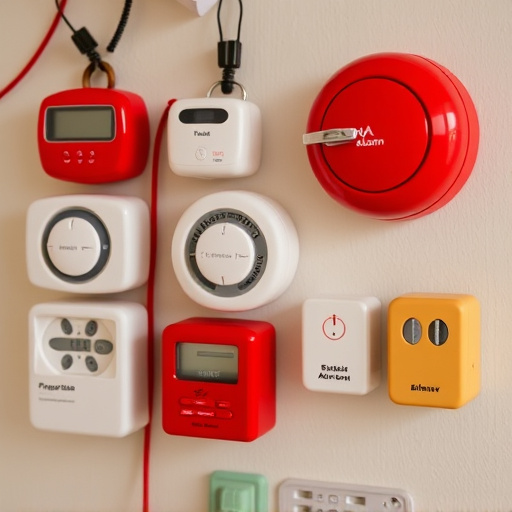
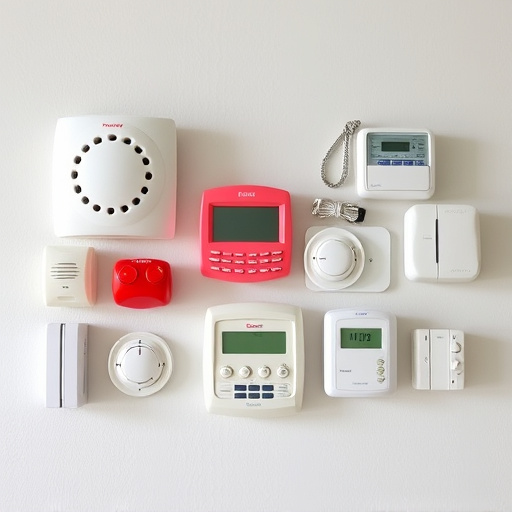
Personal Alarm Devices: These are portable, easily accessible tools that individuals can carry or wear. They may include manual buttons, automatic fall detectors, or voice-activated devices. The devices emit loud alarms, often with strobe lights, to attract attention and alert nearby personnel or emergency services.
Trigger Mechanisms: Personal alarms can be activated through various means, such as manually pressing a button in case of distress, automatic sensors for detecting falls or immobilization, or voice commands. These triggers initiate the alarm sequence.
Communication Systems: Once activated, personal alarms transmit signals to central monitoring stations or emergency response systems. This communication can be achieved through wireless networks, satellite technology, or landline connections, ensuring prompt dispatch of assistance.
Response Protocols: Building management, security personnel, and local emergency services have established protocols for responding to personal alarm activations. These protocols dictate the actions to be taken, including immediate reaction teams, medical aid, and evacuation procedures.
Historically, personal alarms evolved from simple manual devices used in institutions like hospitals and prisons to more advanced technologies catering to independent living and personal safety. The concept gained prominence with the rise of elderly care facilities, where remote monitoring and rapid response systems became essential for ensuring the well-being of residents. Over time, technological advancements have improved the reliability, accessibility, and effectiveness of these systems.
The implementation of personal alarm range in buildings has had a profound global impact, with varying degrees of adoption and innovation across regions:
North America: The United States and Canada have witnessed significant growth in personal alarm systems, particularly in residential settings. Advanced communication technologies and a strong emphasis on individual safety have driven this adoption. For instance, many retirement communities and assisted living facilities require residents to carry personal alarms for quick response during emergencies.
Europe: European countries like the UK, Germany, and France have established stringent building safety regulations that incorporate personal alarm systems. The EU's focus on elderly care and disability rights has been a significant driver. Advanced technologies, such as GPS-enabled alarms, are gaining popularity to enhance location accuracy.
Asia Pacific: Countries in this region, including Japan, South Korea, and Australia, have seen an increase in personal alarm usage, primarily in healthcare facilities and residential buildings. The rapid aging population in many Asian countries has led to a higher demand for safe living environments.
Middle East and Africa: The adoption of personal alarms in these regions is relatively newer but growing rapidly. Governments are investing in smart city initiatives that include advanced safety infrastructure, and building developers are incorporating personal alarm systems as standard features.
Global trends indicate a consistent rise in the demand for personal alarm systems, driven by factors like population aging, increased awareness of personal safety, and stringent building regulations. The market is expected to grow at a steady rate, with technological innovations playing a pivotal role in shaping its trajectory.
The economic implications of personal alarm range in buildings are multifaceted, impacting various sectors:
Market Size and Growth: According to industry reports, the global market for personal alarm systems is projected to reach USD 12.5 billion by 2027, growing at a CAGR of 7.2% from 2020 to 2027. This growth is primarily driven by rising demand in healthcare settings and an aging population.
Investment Opportunities: The market presents attractive investment prospects for technology companies, security service providers, and building developers. Innovations in wearable technology, IoT (Internet of Things), and cloud-based monitoring systems offer significant returns on investment.
Cost Analysis: Implementing personal alarm systems involves various costs, including hardware, installation, maintenance, and training. While initial setup expenses can be high, ongoing maintenance and false alarm mitigation strategies help reduce long-term costs.
Revenue Streams: Revenue is generated through the sale of alarms, monitoring services, and subscription fees for emergency response. Many companies offer customized packages tailored to specific client needs, ensuring a steady revenue flow.
The field of personal alarm technology has witnessed remarkable progress, leading to more efficient and effective systems:
Wearable Devices: Modern personal alarms come in various wearable forms, such as buttons attached to lanyards, wristbands, or even smart clothing. These devices are designed for ease of use and can be easily accessed in distress situations.
GPS Tracking: GPS-enabled alarms provide precise location data, which is crucial in large buildings or outdoor spaces. This technology ensures that emergency responders can quickly locate the individual in need.
Voice Activation: Voice-activated personal alarms allow individuals to activate the device by speaking specific commands, providing an additional layer of convenience and accessibility.
Integration with Smart Homes: Personal alarm systems are increasingly integrating with smart home technologies, enabling automatic detection of falls or unusual behavior and triggering alerts to caregivers or emergency services.
AI and Machine Learning: Artificial intelligence is being utilized for advanced analytics, allowing systems to learn user patterns and improve response accuracy. AI can also assist in false alarm reduction by understanding typical user behavior.
Regulatory bodies worldwide have established guidelines and standards to ensure the safety and effectiveness of personal alarm systems:
Building Codes: Many countries have incorporated personal alarm requirements into their building codes, mandating their installation in specific types of buildings, such as hospitals, care homes, and high-rise residential complexes.
Health and Safety Regulations: These regulations often cover the use of personal alarms in healthcare settings, specifying training requirements for staff and response protocols.
Data Privacy Laws: With the collection and transmission of sensitive user data, privacy laws play a crucial role. Regulations like GDPR (General Data Protection Regulation) in Europe govern how personal alarm systems handle and protect user information.
Industry Standards: Organizations like the National Fire Protection Association (NFPA) and Underwriters Laboratories (UL) set industry standards for personal alarm devices, ensuring product safety and performance.
As technology continues to evolve, personal alarm systems are poised for further advancements, but also face certain challenges:
Internet of Medical Things (IoMT): The integration of personal alarms with IoMT devices could provide a more comprehensive view of user health and safety. Wearable sensors and smart home devices can monitor vital signs and activity levels, enhancing the effectiveness of response systems.
5G Technology: The rollout of 5G networks offers improved communication capabilities for personal alarm systems, enabling faster data transmission and real-time monitoring. This advancement is crucial for remote areas or buildings with poor signal strength.
Artificial Intelligence (AI) and Machine Learning: AI will play a pivotal role in enhancing alarm system intelligence, allowing for better false alarm management and more accurate risk assessments. Machine learning algorithms can adapt to individual user behaviors, improving response times.
Challenges: Some challenges include ensuring interoperability between different alarm systems and devices, addressing data privacy concerns, and providing accessible solutions for individuals with disabilities or language barriers.
Personal Alarm Range in Buildings represents a critical aspect of modern building safety infrastructure, offering immediate protection and response during emergencies. Technological advancements, regulatory frameworks, and a growing global demand are shaping the future of these systems. As we move forward, continuous innovation, addressing privacy concerns, and ensuring accessibility will be key to unlocking the full potential of personal alarm technology in creating safer living and working environments.